Tamamlayıcı Tıp
Ozone Therapy
Immunity and Cellular Regeneration
What Is Medical Ozone?
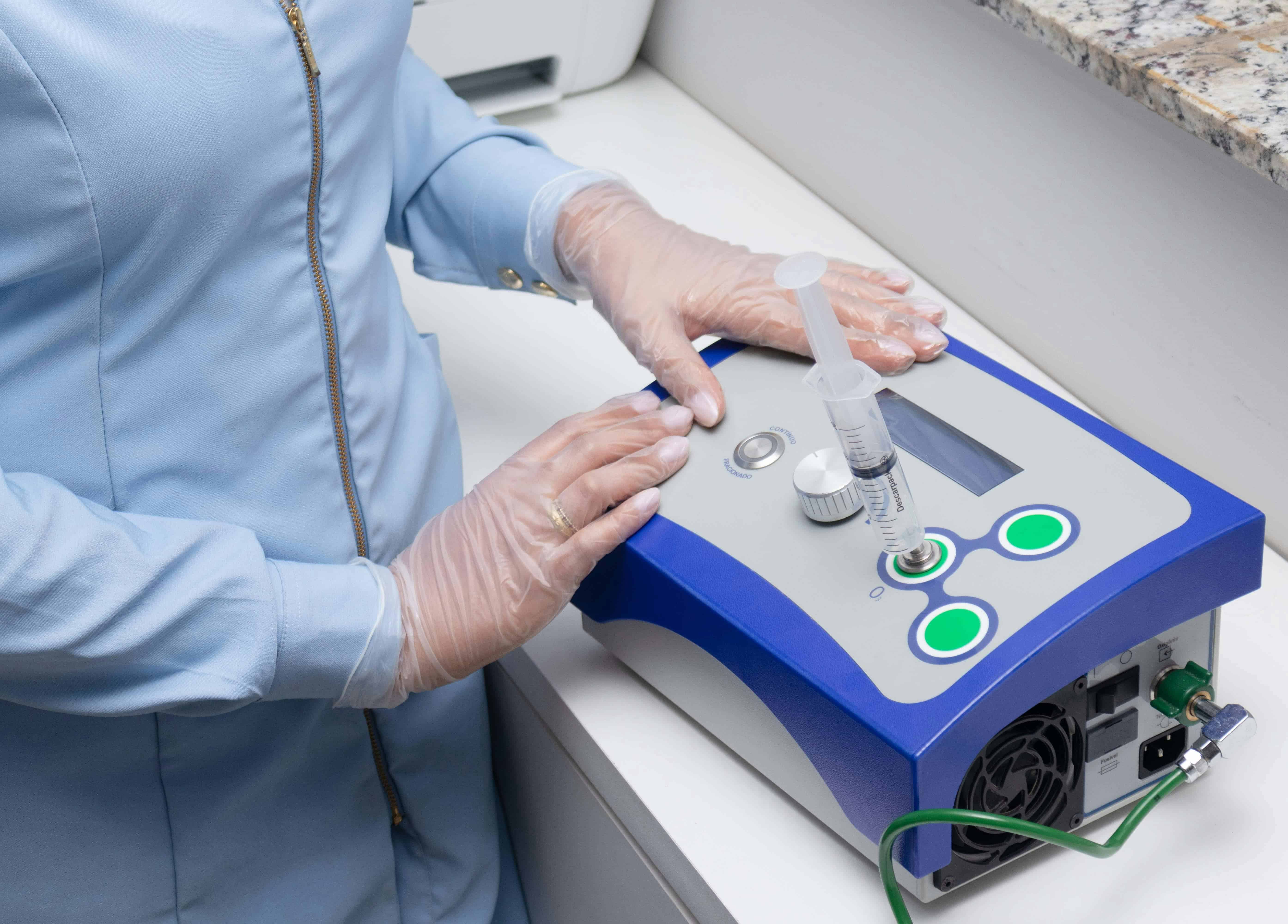
Medical ozone therapy is a holistic treatment method based on the administration of ozone gas (O₃)—composed of three oxygen atoms—to the body in controlled doses and through various methods. Widely practiced in Europe since the 1950s, ozone therapy stimulates cellular metabolism, enhances antioxidant capacity, and regulates the immune system.
Ozone therapy is a regulatory treatment that optimizes the body’s fundamental energy production processes—it is not a medication, but a physiological stimulus.
Dr. Yunus Keser Yılmaz
Mechanisms of Action
| System | Mechanism of Action | Clinical Benefit |
|---|---|---|
| Immune System | Cytokine and interferon regulation | Resistance to infections, autoimmune balance |
| Circulatory System | Red blood cell deformability + O₂ saturation | Peripheral tissue oxygenation |
| Antioxidant System | SOD, catalase, glutathione activation | Reduction in oxidative stress |
| Cellular Metabolism | Stimulation of mitochondrial ATP production | Increased energy, reduced fatigue |
Application Methods
- Major Autohemotherapy: 100–250 ml of blood drawn from the patient is enriched with ozone/O₂ and administered intravenously. This is the most common systemic application.
- Minor Autohemotherapy: IM injection of a mixture of 5–10 ml of blood and ozone. It is preferred for immune disorders.
- Rectal Insuflation: Regulates intestinal flora and is used in the treatment of liver diseases and IBD.
- Topical Application (ozone oil / pouch): For topical use on chronic wounds and skin conditions.
Indications
- Chronic fatigue syndrome and low energy
- Supportive treatment for type 2 diabetes
- Fibromyalgia and widespread pain syndrome
- Boosting the immune system (recurrent infections)
- Supportive treatment for coronary artery disease
- Chronic hepatitis and liver diseases
- Accelerated recovery after exercise
Treatment Protocol
A standard ozone therapy protocol consists of 10 sessions; sessions are typically administered 2–3 times a week. Each session lasts 30–45 minutes. For chronic conditions, longer protocols of 20–30 sessions may also be planned. As maintenance therapy, 1–2 sessions per month may be recommended.
Contraindications
Ozone therapy is not administered in cases of G6PD (favism) deficiency, uncontrolled hyperthyroidism, active bleeding disorders, or during the first trimester of pregnancy. Post-cardiac stent treatment is planned with the approval of the cardiology department.
10-Session Package
Schedule an appointment for the Ozone Therapy Starter Package and have your treatment plan created during your initial consultation.